
Hi, everyone! I’m Lan. Today, the topic of my article is various methods of teeth whitening. Many netizens have sent me emails, hoping that I could write an article on this topic. So, in this article, we’ll discuss this popular dental treatment that interests people across different eras and ethnic groups – teeth whitening.

Why Do Teeth Turn Yellow?
Before discussing why teeth turn yellow, we need to understand the structure of teeth. Teeth are generally divided into three layers. The innermost part is called the dental pulp, which contains nerves and blood vessels that supply nutrients to the tooth and provide sensations. The outer layer of the dental pulp is attached to dentin. Dentin is yellow in color, and the outer layer of dentin is covered by the hardest white part, the enamel.
The enamel is translucent and white. The reason why our natural tooth color is slightly yellowish under a white appearance is that the inner side of the enamel is dentin. The yellow color of the dentin can be seen slightly yellow through the translucent enamel.
Why Do Teeth Feel Sore and Other Side Effects after Teeth Whitening?
Dentin has many dentinal tubules that communicate with the outermost enamel and the innermost dental pulp nerves. When some people undergo teeth whitening and the whitening agent is applied to the outermost enamel, if the enamel is thin, some of the agent may gradually penetrate into the dentin. Since the dentinal tubules in the dentin communicate with the inside of the dental pulp, the patient will feel tooth sensitivity and soreness at this time. This is how the side effects of tooth sensitivity after teeth whitening occur.
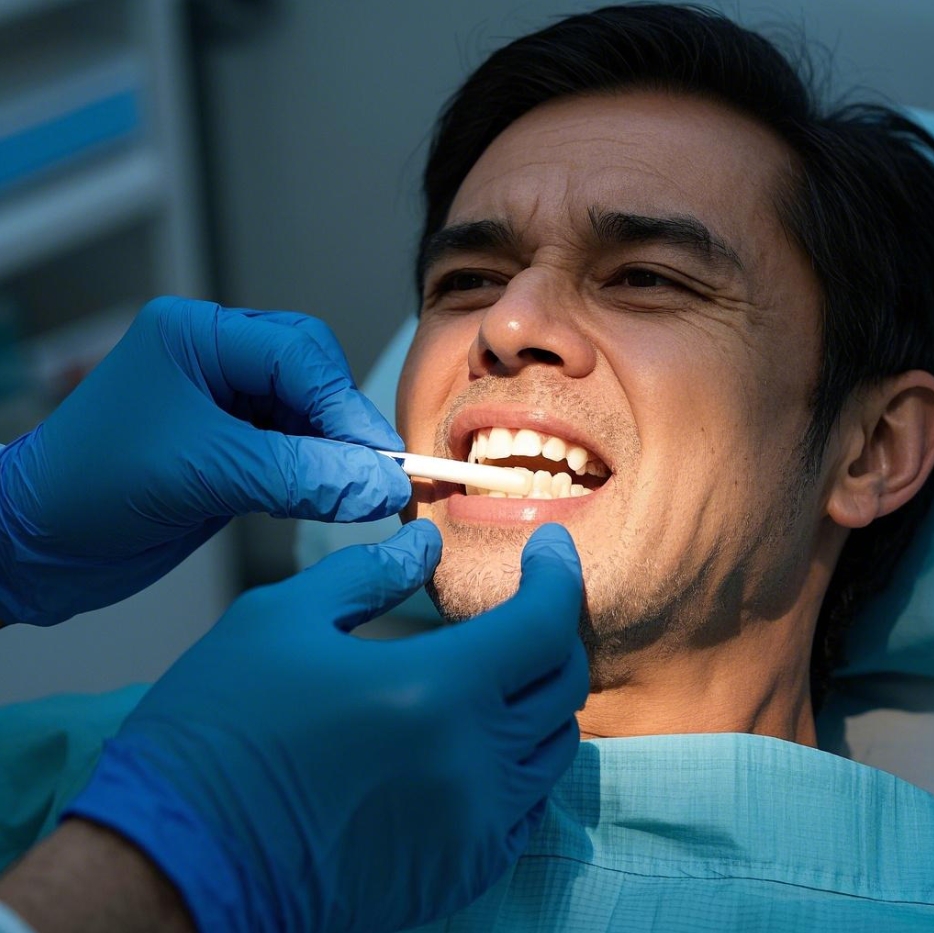
Introduction to Teeth Whitening
After understanding the tooth structure, we can discuss the principles of teeth whitening, which are closely related to its whitening effect and duration.
- If you only want to remove external stains such as tobacco and tea stains on your teeth, you can use whitening toothpaste to brush your teeth or go to the clinic for air – polishing whitening.
- If you want to whiten the entire natural tooth color, you need to use whitening agents for at – home whitening or in – clinic cold – light whitening.
- For teeth that have undergone root canal treatment and have become yellow and dull, and you only want to whiten a single tooth, you can consider intracoronal bleaching.
- If you want to change the shape of your teeth at the same time, for example, if your teeth have chipped corners, and you want to achieve the goal of whitening while changing the tooth shape, you can consider getting dental porcelain veneers.
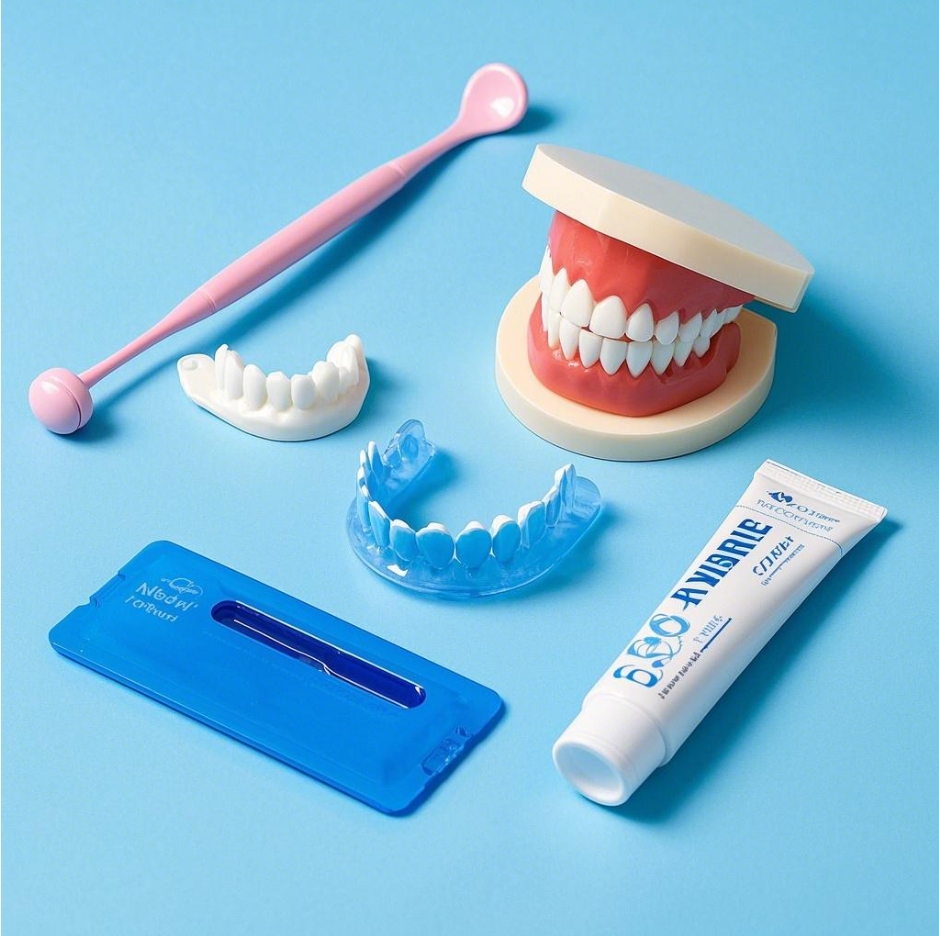
There are many methods of teeth whitening, which can be confusing when people are researching. Generally, teeth – whitening methods can be divided into the following types:
DIY at Home
This includes using whitening toothpaste, whitening pens, whitening strips. Some products even come in the form of dental trays, where you can put the whitening agent on the tray. There are also products with LED lights, similar to in – clinic cold – light whitening.
In – Clinic Whitening
- Air – Polishing Whitening: It uses abrasive particles to remove external stains by rubbing the surface of the enamel. However, if you use this method too forcefully and for a long time, it may cause slight damage to the enamel.
- At – Home Whitening: The dentist will make a model of your teeth and create a dental tray that fits your teeth closely. Then, they will give you a whitening agent. You take the agent and the tray home, put the agent in the tray, and wear the tray on your teeth for about three to four hours a day. Sometimes, you can wear it for six to eight hours at night. After about one to two weeks of treatment, your teeth will become whiter.
- Cold – Light Whitening: In the clinic, a higher – concentration whitening agent is directly applied to the teeth. Due to the high concentration of the agent, rubber dams or gingival protectants are used to prevent the agent from flowing onto the adjacent gums. After applying the agent, a specific light is used to irradiate the teeth. One cycle of irradiation lasts 15 minutes, and usually, two to three cycles can quickly whiten the teeth, sometimes even making them five to ten shades lighter. The purpose of the light is to catalyze the redox reaction, accelerating the reaction rate. This method is suitable for people who need to whiten their teeth quickly, such as those who are getting married tomorrow or need to attend an important event.
- Dental Porcelain Veneers: I don’t recommend this method just for the purpose of teeth whitening because it requires grinding about 0.3 – 0.5 mm of the enamel, and then a veneer is attached to the tooth. This means it will wear away the surface enamel of your teeth.
Removing External Stains with Abrasive Methods: Whitening Toothpaste and Air – Polishing Whitening
Based on the principles of teeth whitening, if you want to remove external stains on your teeth, you can either DIY at home by using dental cleaning powder or whitening toothpaste to brush your teeth. If there are hard – to – clean areas, such as stains between teeth, you can go to the clinic for air – polishing whitening. The principle of this whitening method is to use abrasive particles to rub the surface of the enamel to remove external stains. However, its drawback is that excessive and long – term use may cause some damage to the enamel.
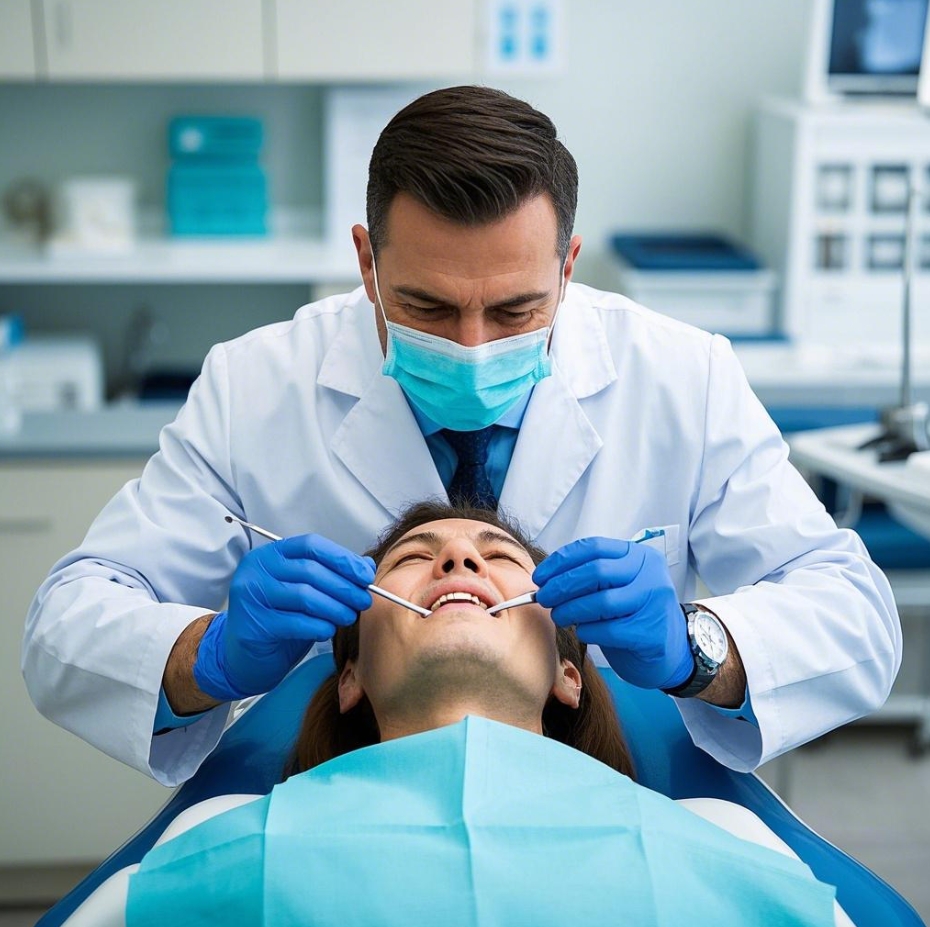
Whitening with Redox Reactions of Whitening Agents
The second principle of teeth whitening is to use whitening agents to conduct redox reactions. This method doesn’t just remove external stains but also makes the teeth themselves whiter. Most of these agents contain hydrogen peroxide or carbamide peroxide. There are many ways to whiten teeth based on this principle, including using whitening strips, applying whitening pens, at – home whitening and cold – light whitening in the clinic, and intracoronal bleaching. The biggest difference in the effect of this method lies in the concentration of the whitening agent, which may be related to some regulations.
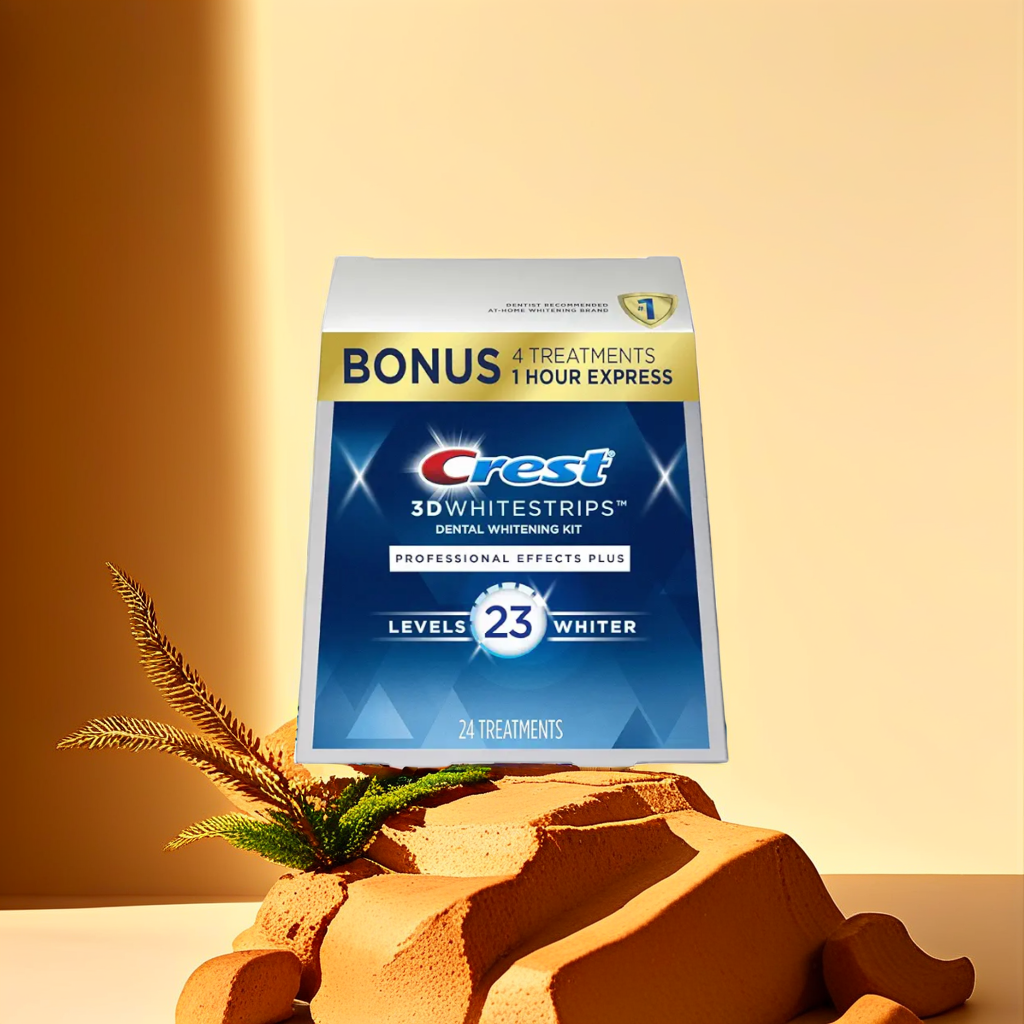
For example, in the United States, some whitening strips like Crest 3D can only be bought with mild – formula ingredients, and the concentration of the whitening agent is about 6%. When doing at – home whitening in the clinic, the dentist will make a mold for you, give you a whitening agent to take home. You put the agent in the mold and wear it on your teeth. The concentration of this whitening agent is usually 10% – 20%. For in – clinic cold – light whitening, the concentration of the whitening agent is approximately 25% – 40%. The higher the concentration of the whitening agent, the more significant the whitening effect, and the more shades the teeth can be lightened. For instance, in – clinic cold – light whitening can make the teeth five to ten shades lighter in a short time, while at – home whitening may make the teeth four to eight shades lighter in one to two weeks.
Of course, the degree of whitening is related to the duration of the effect and your lifestyle. If you are used to drinking black tea or eating staining foods, it will reduce the whitening effect and shorten the duration. You may wonder why, since the principle is the same, you can’t just use whitening strips at home instead of going to the clinic for at – home whitening or cold – light whitening. The biggest difference lies in gum protection. Since these whitening agents contain hydrogen peroxide, the higher the concentration, the more irritating it is to the gums, and the higher the chance of causing tooth sensitivity.
In the clinic, dentists can judge the most suitable agent concentration for you, reducing the risk of tooth – sensitivity side effects. Moreover, for gum protection, the dental trays provided in the clinic for at – home whitening fit your teeth closely. These trays are very thin and soft. I once used a whitening agent brand called Opalescence, which is a large US – based teeth – whitening manufacturer. Their whitening agent contains a special PF. The “P” in OpalescencePF represents potassium nitrate, which can prevent tooth dehydration, and the “F” represents fluoride, which is an anion component that can prevent tooth sensitivity. When using at – home whitening with this agent in the tray, because the tray fits your teeth well, less agent will flow onto the gums, avoiding gum burns or irritation.
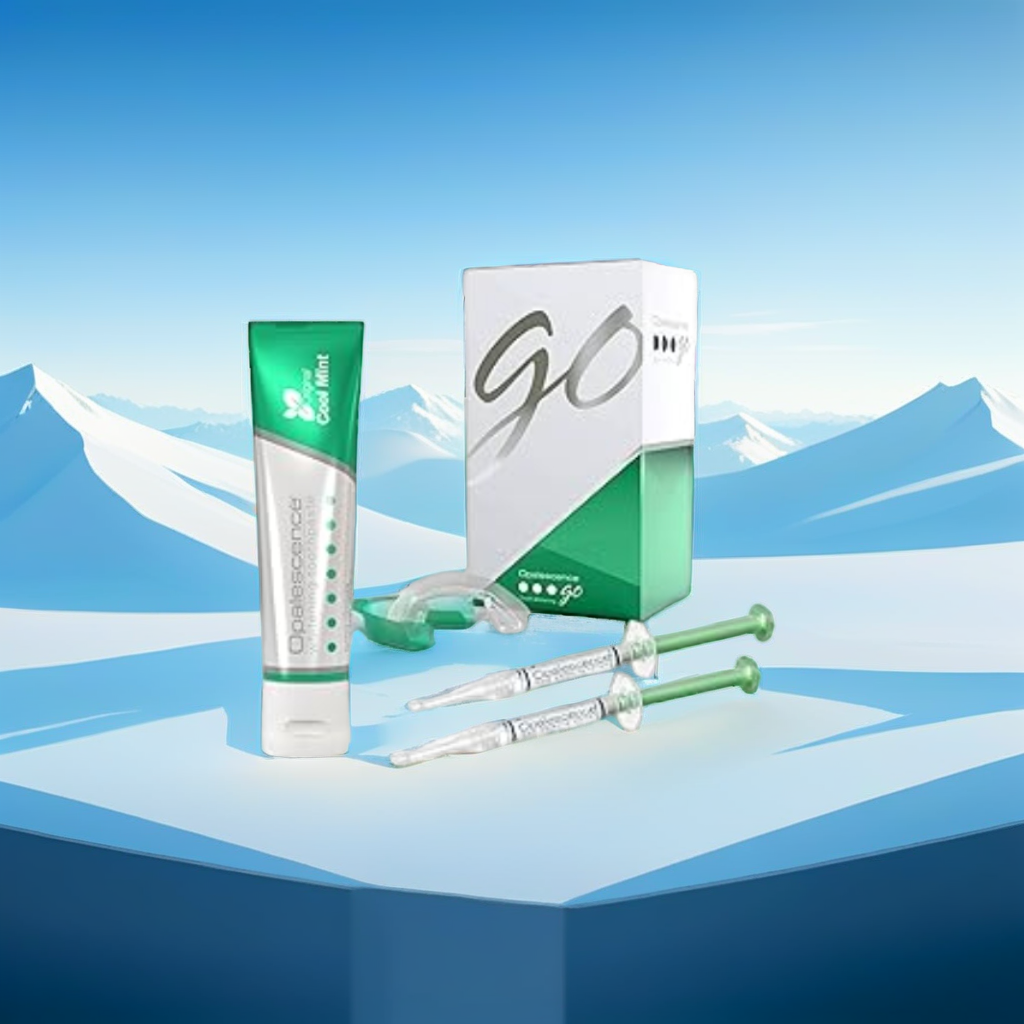
That’s why we don’t recommend doing agent – based teeth whitening at home directly. If your budget allows, it’s better to go to the clinic. The dentist will make a suitable tray for you and provide a whitening agent. Doing at – home whitening in this way is more suitable than buying over – the – counter products like whitening strips or DIY dental – tray whitening kits. The key difference is the fit of the tray to your teeth. The trays provided by the clinic fit your teeth very well, while DIY trays may not fit properly, and some of the agent may seep onto the gums, causing discomfort.
For cold – light whitening, the clinic will directly apply a gum protectant to prevent the agent from contacting your gums. Both at – home whitening and cold – light whitening in the clinic are better for your protection. However, it should be noted that these two methods act on the enamel of the teeth. Therefore, they have no effect on teeth with dentures or fillings. What should you do? Usually, after completing teeth whitening, if the color of the old fillings is different from the whitened teeth, you need to refill the affected teeth. If there are dental crowns, the crown needs to be redone. However, the cost of redoing a dental crown is not cheap. The cost of a single all – ceramic crown is approximately $1000 – $2500.
Intracoronal Bleaching
Intracoronal bleaching must be done in the clinic and is only applicable to teeth that have undergone root canal treatment, that is, teeth with extracted nerves. In this whitening method, the whitening agent is directly placed in the innermost dental pulp of the tooth for about two to five days. Then, check if the tooth is white enough. If so, remove the agent and fill the tooth. This is a special form of whitening that only treats a single tooth. Its characteristic is that it’s difficult to ensure that the color of this tooth is exactly the same as that of other teeth. The price for single – tooth intracoronal bleaching is about $500.

Dental Veneers or All – Ceramic Crowns
The third whitening method is to cover the teeth with a whiter “outer layer” without changing the original tooth color. However, the biggest drawback of this method is that it requires grinding about 0.3 – 0.5 mm of the enamel, and then a whitening veneer is directly attached to the tooth. For teeth with poor dental structure, an all – ceramic crown may be needed to cover the entire tooth. The difference between an all – ceramic crown and a whitening veneer is that the all – ceramic crown covers the entire tooth like a dental cap, while the whitening veneer is just a thin layer on the outside of the tooth, similar to applying a layer on top of a fingernail when doing nail art. The common point is that both require tooth grinding. The reason for tooth grinding is that if we attach the veneer directly without grinding, the teeth will look very thick and large, which is not aesthetically pleasing. So, we need to grind a little bit of the tooth surface to make the whitening “outer layer” look less prominent.
Beware of Sales Pitches for Porcelain Veneers
Be cautious of some sales pitches. Some clinics may claim that the price of a single – tooth veneer is $800 – $1800, which is about twice the price of cold – light whitening (cold – light whitening usually costs $400 – $700). They may say that since the effect of cold – light whitening may fade after one or two years and requires re – treatment, while veneers are permanent, making veneers a more cost – effective choice in the long run. However, this is incorrect. Cold – light whitening, at – home whitening, and air – polishing whitening can whiten all teeth at once. But for veneers or all – ceramic crowns, the cost for a single tooth is $1000 – $3000. So, you can’t simply compare them this way. You don’t necessarily need to get veneers or all – ceramic crowns unless you need to reconstruct the shape of your teeth or make your front teeth more aligned.
Another point to note is that some clinics claim that getting veneers or all – ceramic crowns on the six front teeth can quickly straighten the teeth and whiten them at the same time. However, this method requires that your upper and lower jaw occlusion is normal and you don’t have a protruding – mouth appearance problem. If you have a protruding – mouth problem, simply moving the teeth inward by getting veneers can’t truly correct the problem because the position of your tooth roots and jawbones remains unchanged. It can only slightly adjust the position of the tooth crowns and straighten the teeth, but it can’t improve the appearance of a protruding mouth.
Side Effects of Teeth Whitening
Finally, let’s talk about the side effects of teeth whitening. In the short term, the most common side effects are tooth sensitivity and gum irritation or discomfort. Most of these side effects are short – term and will subside three to five days after whitening. But what about long – term side effects? Research papers haven’t specifically mentioned long – term side effects. However, if you are a heavy “whitening addict” and rush to whiten your teeth every two or three weeks at the slightest sign of yellowing, you need to be more careful.
Whether it’s using abrasive particles to remove external stains on the enamel or using chemical reactions to whiten the teeth themselves, these methods can cause slight damage to the enamel. So, don’t do teeth whitening too frequently. If you have cold – light whitening once every two to three years, it should not cause many long – term side effects to your teeth. It should be noted that many research papers on the long – term side effects of teeth whitening are funded by teeth – whitening product manufacturers. So, there may be a concern that they may only publish positive research results and selectively ignore negative ones. Therefore, the issue of long – term side effects still remains somewhat uncertain.
Moreover, if you’re extremely worried about experiencing various discomfort symptoms during teeth whitening, you might also give a try to some natural teeth whitening agents that are free of chemical components. I would recommend Real White Natural Teeth Whitener produced by Primal Life. It’s quite an interesting “oral detox” product. It can repair your oral cavity and make you look 10 years younger. It can whiten your teeth by 6 shades in less than 16 minutes, all without the use of chemicals. The links to all the products mentioned in this article are provided below, just in case you need them.
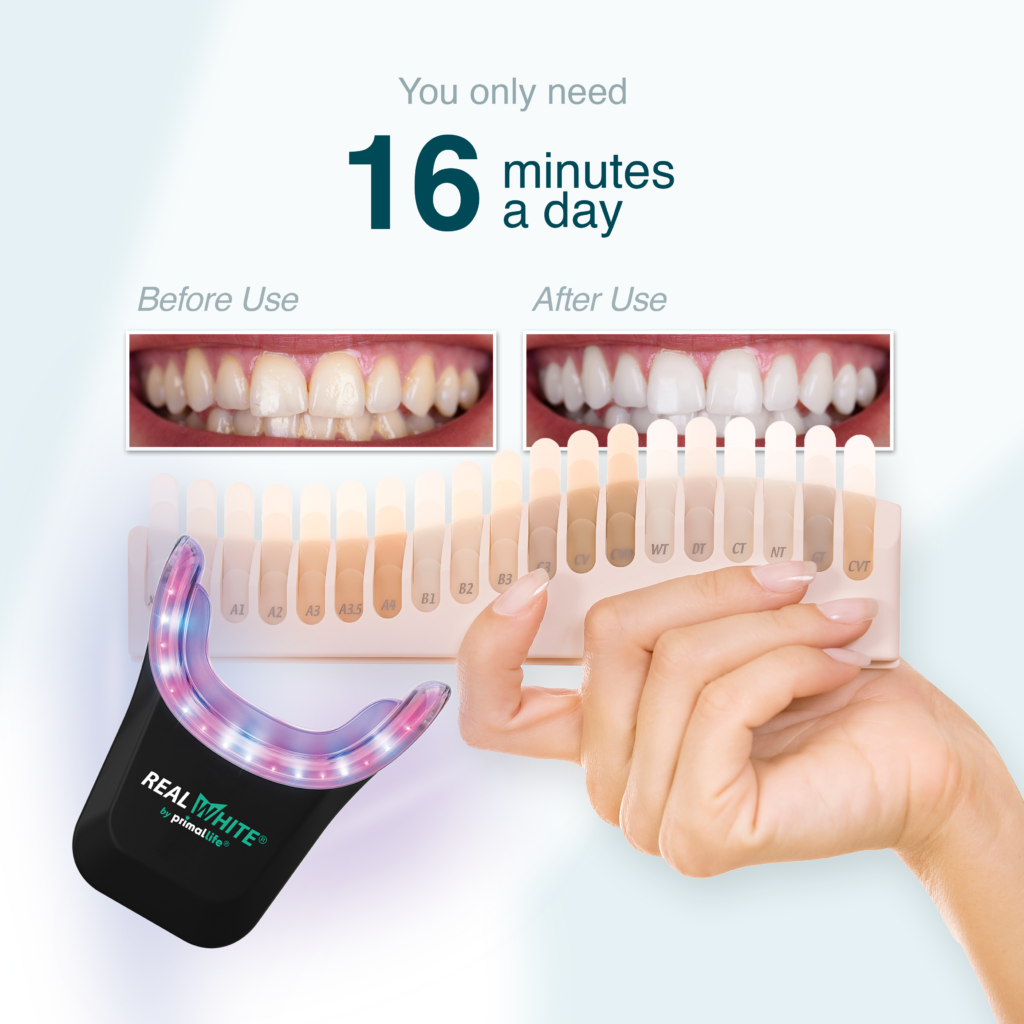
Real White Natural Teeth Whitener
Well, that’s all for today’s discussion on teeth whitening. Thank you for following my blog.
Buy the products mentioned in this article